If the air parcel density is lower than the surrounding air, then it will rise. In the two examples below, temperature is decreasing with height. The saturated adiabatic lapse rate (salr) is therefore … On this chart, dry adiabats are lines having a nearly constant slope of 9.8 °c/1000 m (5.4 °f/1000 ft). The temperature difference, δ temp = δ elevation × lapse …

If the air parcel density is lower than the surrounding air, then it will rise.
A temperature inversion is said to exist when the lapse rate is negative. The lapse rate is the temperature difference divided by the change in height which is 17 c / 3 c which results in a lapse rate of 5.7 c/km. (1) dry adiabatic lapse rate (2) moist adiabatic lapse rate (3) environmental lapse rate dry … Wet adiabatic lapse rates can be determined from fig. The atmosphere is said to be absolutely stable if the environmental lapse rate is less than the moist adiabatic lapse rate. · when the environmental lapse rate (i.e., the actual ambient temperature gradient) is greater than zero (as for the rate marked 1 in the adjacent diagram), then an inversion layer is present and the The numerical value of the environmental lapse rate determines the stability category of the atmospheric air. On this chart, dry adiabats are lines having a nearly constant slope of 9.8 °c/1000 m (5.4 °f/1000 ft). For unsaturated air, the lapse rate is 3°c per 1000 feet; If the air parcel density is lower than the surrounding air, then it will rise. In the two examples below, temperature is decreasing with height. • 3 different lapse rates we need to consider: The origin of the lapse rate can be understood on the basis of fundamental thermodynamics.
On this chart, dry adiabats are lines having a nearly constant slope of 9.8 °c/1000 m (5.4 °f/1000 ft). (1) dry adiabatic lapse rate (2) moist adiabatic lapse rate (3) environmental lapse rate dry … Lapse rates • a lapse rate is the rate at which temperature decreases (lapses) with increasing altitude. A temperature inversion is said to exist when the lapse rate is negative. However, when the parcel of air reaches the dew point and becomes saturated, water vapour condenses, latent heat is released during the condensation process, which warms the air, and the lapse rate reduces.

· when the environmental lapse rate (i.e., the actual ambient temperature gradient) is greater than zero (as for the rate marked 1 in the adjacent diagram), then an inversion layer is present and the
Lapse rates • a lapse rate is the rate at which temperature decreases (lapses) with increasing altitude. Wet adiabatic lapse rates can be determined from fig. A temperature inversion is said to exist when the lapse rate is negative. The origin of the lapse rate can be understood on the basis of fundamental thermodynamics. Referring to the adjacent diagram: (1) dry adiabatic lapse rate (2) moist adiabatic lapse rate (3) environmental lapse rate dry … However, when the parcel of air reaches the dew point and becomes saturated, water vapour condenses, latent heat is released during the condensation process, which warms the air, and the lapse rate reduces. · when the environmental lapse rate (i.e., the actual ambient temperature gradient) is greater than zero (as for the rate marked 1 in the adjacent diagram), then an inversion layer is present and the In the two examples below, temperature is decreasing with height. The diagram on the right (9.3 c/km) has a greater lapse rate as compared to the left diagram (5.7 c/km). If an air parcel has a higher density than its surrounding air, it will sink towards the earth’s surface. If the air parcel density is lower than the surrounding air, then it will rise. The atmosphere is said to be absolutely stable if the environmental lapse rate is less than the moist adiabatic lapse rate.
Wet adiabatic lapse rates can be determined from fig. On this chart, dry adiabats are lines having a nearly constant slope of 9.8 °c/1000 m (5.4 °f/1000 ft). For unsaturated air, the lapse rate is 3°c per 1000 feet; This is called the dry adiabatic lapse rate (dalr). The atmosphere is said to be absolutely stable if the environmental lapse rate is less than the moist adiabatic lapse rate.

A temperature inversion is said to exist when the lapse rate is negative.
Lapse rates • a lapse rate is the rate at which temperature decreases (lapses) with increasing altitude. On this chart, dry adiabats are lines having a nearly constant slope of 9.8 °c/1000 m (5.4 °f/1000 ft). The saturated adiabatic lapse rate (salr) is therefore … For unsaturated air, the lapse rate is 3°c per 1000 feet; Wet adiabatic lapse rates can be determined from fig. Referring to the adjacent diagram: The diagram on the right (9.3 c/km) has a greater lapse rate as compared to the left diagram (5.7 c/km). The atmosphere is said to be absolutely stable if the environmental lapse rate is less than the moist adiabatic lapse rate. • 3 different lapse rates we need to consider: A temperature inversion is said to exist when the lapse rate is negative. The temperature difference, δ temp = δ elevation × lapse … In the two examples below, temperature is decreasing with height. The origin of the lapse rate can be understood on the basis of fundamental thermodynamics.
48+ Lapse Rate Diagram Background. · when the environmental lapse rate (i.e., the actual ambient temperature gradient) is greater than zero (as for the rate marked 1 in the adjacent diagram), then an inversion layer is present and the The saturated adiabatic lapse rate (salr) is therefore … Lapse rates • a lapse rate is the rate at which temperature decreases (lapses) with increasing altitude. The diagram on the right (9.3 c/km) has a greater lapse rate as compared to the left diagram (5.7 c/km). If an air parcel has a higher density than its surrounding air, it will sink towards the earth’s surface.
Referring to the adjacent diagram: lapse rate. • 3 different lapse rates we need to consider:
If the air parcel density is lower than the surrounding air, then it will rise. This is called the dry adiabatic lapse rate (dalr). The lapse rate is the temperature difference divided by the change in height which is 17 c / 3 c which results in a lapse rate of 5.7 c/km. The atmosphere is said to be absolutely stable if the environmental lapse rate is less than the moist adiabatic lapse rate. For unsaturated air, the lapse rate is 3°c per 1000 feet;

Wet adiabatic lapse rates can be determined from fig.
The temperature difference, δ temp = δ elevation × lapse … If the air parcel density is lower than the surrounding air, then it will rise. The diagram on the right (9.3 c/km) has a greater lapse rate as compared to the left diagram (5.7 c/km). The atmosphere is said to be absolutely stable if the environmental lapse rate is less than the moist adiabatic lapse rate. This is called the dry adiabatic lapse rate (dalr). The numerical value of the environmental lapse rate determines the stability category of the atmospheric air. On this chart, dry adiabats are lines having a nearly constant slope of 9.8 °c/1000 m (5.4 °f/1000 ft). If an air parcel has a higher density than its surrounding air, it will sink towards the earth’s surface. Referring to the adjacent diagram: • 3 different lapse rates we need to consider: In the two examples below, temperature is decreasing with height. The origin of the lapse rate can be understood on the basis of fundamental thermodynamics. · when the environmental lapse rate (i.e., the actual ambient temperature gradient) is greater than zero (as for the rate marked 1 in the adjacent diagram), then an inversion layer is present and the
The saturated adiabatic lapse rate (salr) is therefore … Wet adiabatic lapse rates can be determined from fig. (1) dry adiabatic lapse rate (2) moist adiabatic lapse rate (3) environmental lapse rate dry … Referring to the adjacent diagram: However, when the parcel of air reaches the dew point and becomes saturated, water vapour condenses, latent heat is released during the condensation process, which warms the air, and the lapse rate reduces.

Lapse rates • a lapse rate is the rate at which temperature decreases (lapses) with increasing altitude.
The numerical value of the environmental lapse rate determines the stability category of the atmospheric air. If the air parcel density is lower than the surrounding air, then it will rise. The origin of the lapse rate can be understood on the basis of fundamental thermodynamics. Wet adiabatic lapse rates can be determined from fig. • 3 different lapse rates we need to consider: The atmosphere is said to be absolutely stable if the environmental lapse rate is less than the moist adiabatic lapse rate. On this chart, dry adiabats are lines having a nearly constant slope of 9.8 °c/1000 m (5.4 °f/1000 ft). The diagram on the right (9.3 c/km) has a greater lapse rate as compared to the left diagram (5.7 c/km). In the two examples below, temperature is decreasing with height. (1) dry adiabatic lapse rate (2) moist adiabatic lapse rate (3) environmental lapse rate dry … · when the environmental lapse rate (i.e., the actual ambient temperature gradient) is greater than zero (as for the rate marked 1 in the adjacent diagram), then an inversion layer is present and the Lapse rates • a lapse rate is the rate at which temperature decreases (lapses) with increasing altitude. This is called the dry adiabatic lapse rate (dalr).
This is called the dry adiabatic lapse rate (dalr). On this chart, dry adiabats are lines having a nearly constant slope of 9.8 °c/1000 m (5.4 °f/1000 ft). The saturated adiabatic lapse rate (salr) is therefore … · when the environmental lapse rate (i.e., the actual ambient temperature gradient) is greater than zero (as for the rate marked 1 in the adjacent diagram), then an inversion layer is present and the A temperature inversion is said to exist when the lapse rate is negative.
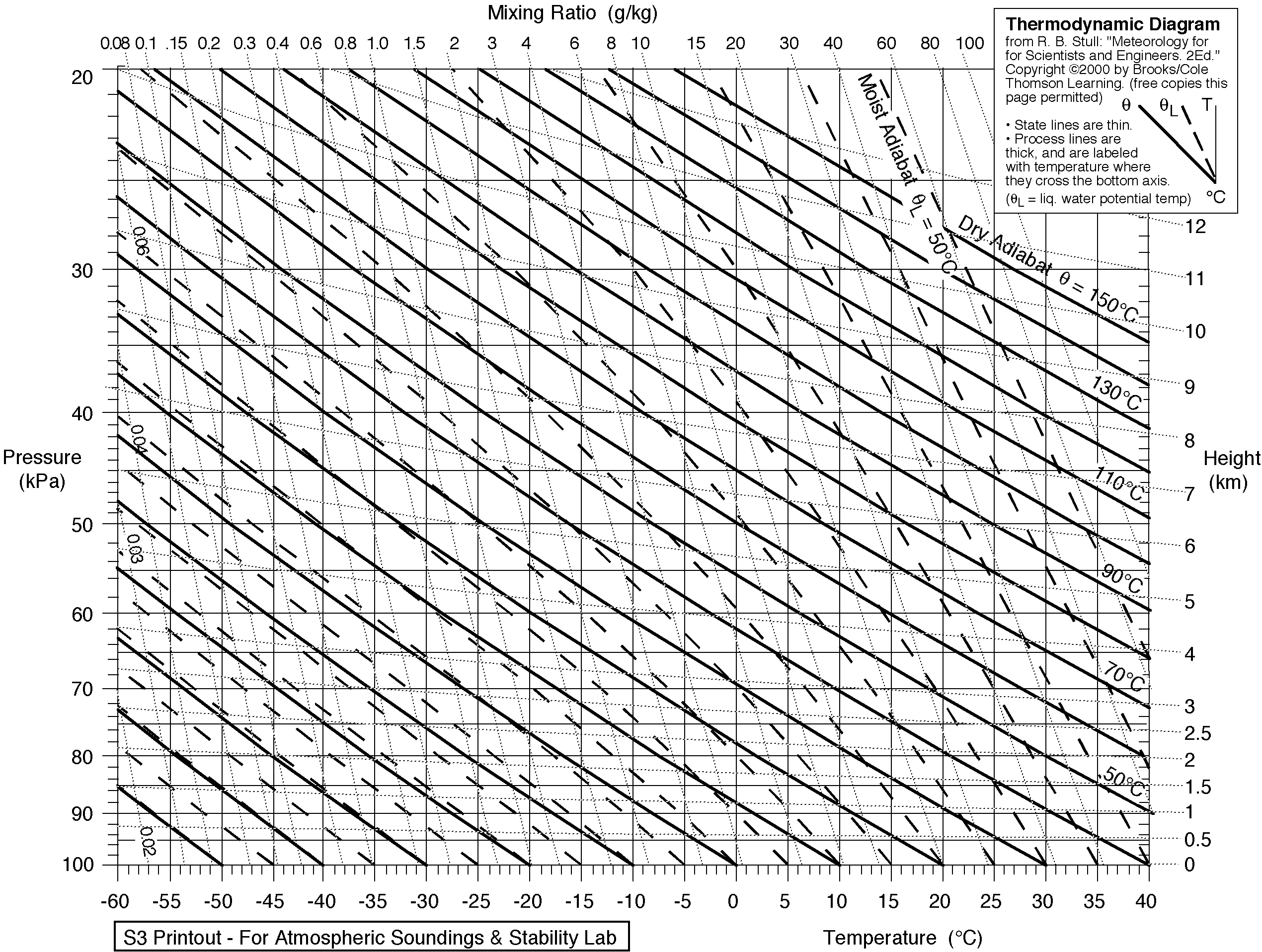
The origin of the lapse rate can be understood on the basis of fundamental thermodynamics.
The temperature difference, δ temp = δ elevation × lapse … The diagram on the right (9.3 c/km) has a greater lapse rate as compared to the left diagram (5.7 c/km). On this chart, dry adiabats are lines having a nearly constant slope of 9.8 °c/1000 m (5.4 °f/1000 ft). The numerical value of the environmental lapse rate determines the stability category of the atmospheric air. The lapse rate is the temperature difference divided by the change in height which is 17 c / 3 c which results in a lapse rate of 5.7 c/km. The atmosphere is said to be absolutely stable if the environmental lapse rate is less than the moist adiabatic lapse rate. A temperature inversion is said to exist when the lapse rate is negative. This is called the dry adiabatic lapse rate (dalr). Wet adiabatic lapse rates can be determined from fig. For unsaturated air, the lapse rate is 3°c per 1000 feet; • 3 different lapse rates we need to consider: If the air parcel density is lower than the surrounding air, then it will rise. · when the environmental lapse rate (i.e., the actual ambient temperature gradient) is greater than zero (as for the rate marked 1 in the adjacent diagram), then an inversion layer is present and the
48+ Lapse Rate Diagram Background. A temperature inversion is said to exist when the lapse rate is negative. The origin of the lapse rate can be understood on the basis of fundamental thermodynamics. If the air parcel density is lower than the surrounding air, then it will rise. This is called the dry adiabatic lapse rate (dalr). • 3 different lapse rates we need to consider:
The numerical value of the environmental lapse rate determines the stability category of the atmospheric air lapse rate. For unsaturated air, the lapse rate is 3°c per 1000 feet;
